
Contemporary Art
Practice, Process, and Presence in Current Artistic Work
Con Permiso is a contemporary art practice offering contemporary abstract art for sale, focused on material, process, and presence, and exploring gestures, tension, time, and the physical act of making.

Explore Contemporary Production
Practice, Artists, and Available Works
Contemporary art expands through practice, abstraction, artists, collecting, and original works available today. This section gathers the essential areas that define how it is created, understood, and acquired. Move through these interconnected pages to explore contemporary abstract art, artistic processes, and available works within a cohesive and evolving framework.
Original works Available


Contemporary art Introduction
Contemporary art refers to artistic practices developed in the present time, shaped by current cultural, social, and material conditions. Rather than being defined by a single style or aesthetic, it operates as a field of ongoing inquiry—one that prioritizes process, experimentation, and critical reflection over fixed outcomes.
Unlike earlier historical movements, contemporary does not seek resolution or formal closure. Instead, it embraces openness, contradiction, and sustained attention as central values. Artists working today often engage deeply with materials, gestures, time, and repetition, allowing meaning to emerge gradually through practice rather than through predetermined narratives.
Contemporary artists navigate a complex landscape where studio work, context, and circulation coexist. The artwork is no longer an isolated object but part of a broader process that includes making, exhibiting, collecting, and interpreting. This expanded understanding positions contemporary works of art art as both an artistic and conceptual practice—one that evolves alongside the conditions of its production.
Within this framework, abstraction, material exploration, and process-based approaches play a significant role. Contemporary pieces and series becomes a space where presence is emphasized over spectacle, and where the physical act of making remains central. Whether encountered in studios, galleries, or directly through artists’ practices, contemporary reflects an ongoing negotiation between form, intention, and time.
The Artist behind the practice

Con permiso is a contemporary art practice developed by Colombian artist Duber Mora, exploring abstraction through process, structure, and sustained material engagement. The work is driven by attention, restraint, and accumulation, allowing each piece to unfold at its own pace. Rather than seeking resolution, the contemporary practice embraces openness and persistence, positioning abstraction as a space for presence, tension, and quiet intensity.
What is Contemporary art?
Contemporary is generally understood as art produced from the late twentieth century to the present, yet its definition extends beyond a simple timeframe. More than a historical label, the contemporary movement in art describes a way of working—one that responds directly to the conditions, questions, and realities of the current moment.
Rather than being unified by a single movement or visual language, contemporary encompasses a wide range of artistic practices, materials, and approaches. What connects these diverse forms is not style, but intention. Contemporary artists often prioritize inquiry over answers, process over finality, and experimentation over adherence to tradition. The artwork becomes a site of exploration rather than a closed statement.
A key aspect of contemporary art is its relationship to context. Works are shaped by social, political, technological, and material conditions, yet they are not required to illustrate them explicitly. In many cases, meaning emerges through subtle gestures, accumulation, repetition, or the sustained engagement with a particular material or action. This openness allows it to remain fluid, adaptive, and responsive.
Unlike modern art—which is often associated with specific movements, manifestos, and formal breakthroughs—the contemporary resists clear categorization. It does not aim to define progress through rupture, but through continuity and reflection. Contemporary exploration acknowledges that multiple perspectives can coexist, and that ambiguity is not a weakness but a productive space.
As a result, contemporary works functions less as a fixed category and more as an evolving field. It invites viewers, collectors, and institutions to engage with art as an ongoing process—one that unfolds over time and remains open to interpretation, revision, and recontextualization.
The contemporary Art practice – Con Permiso Art
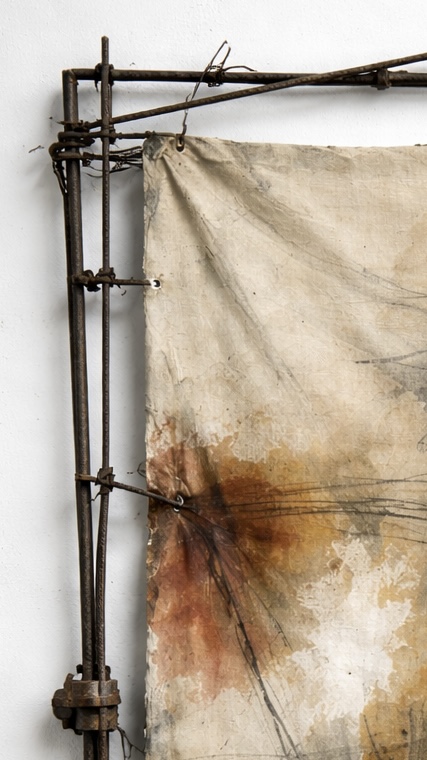
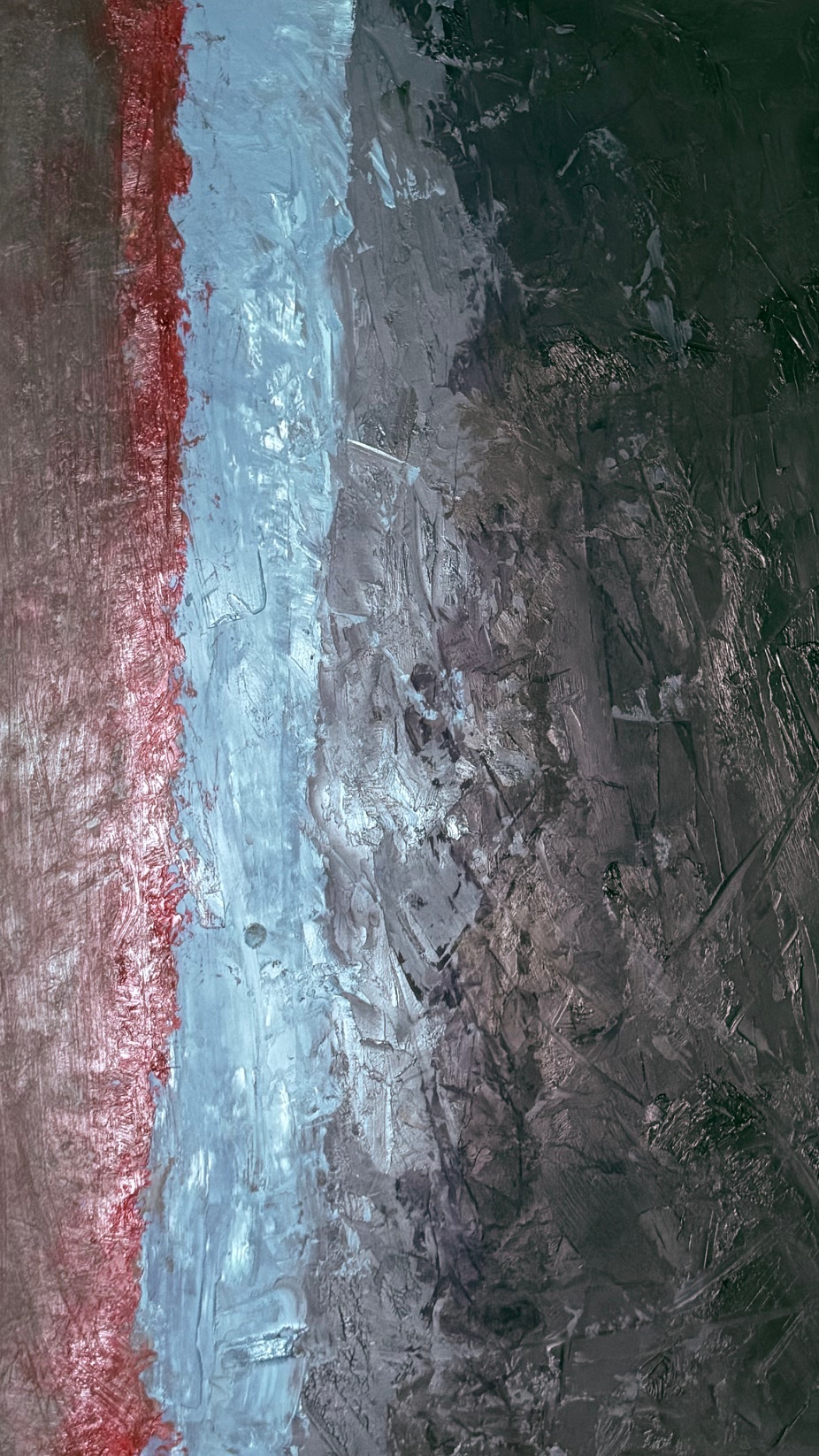
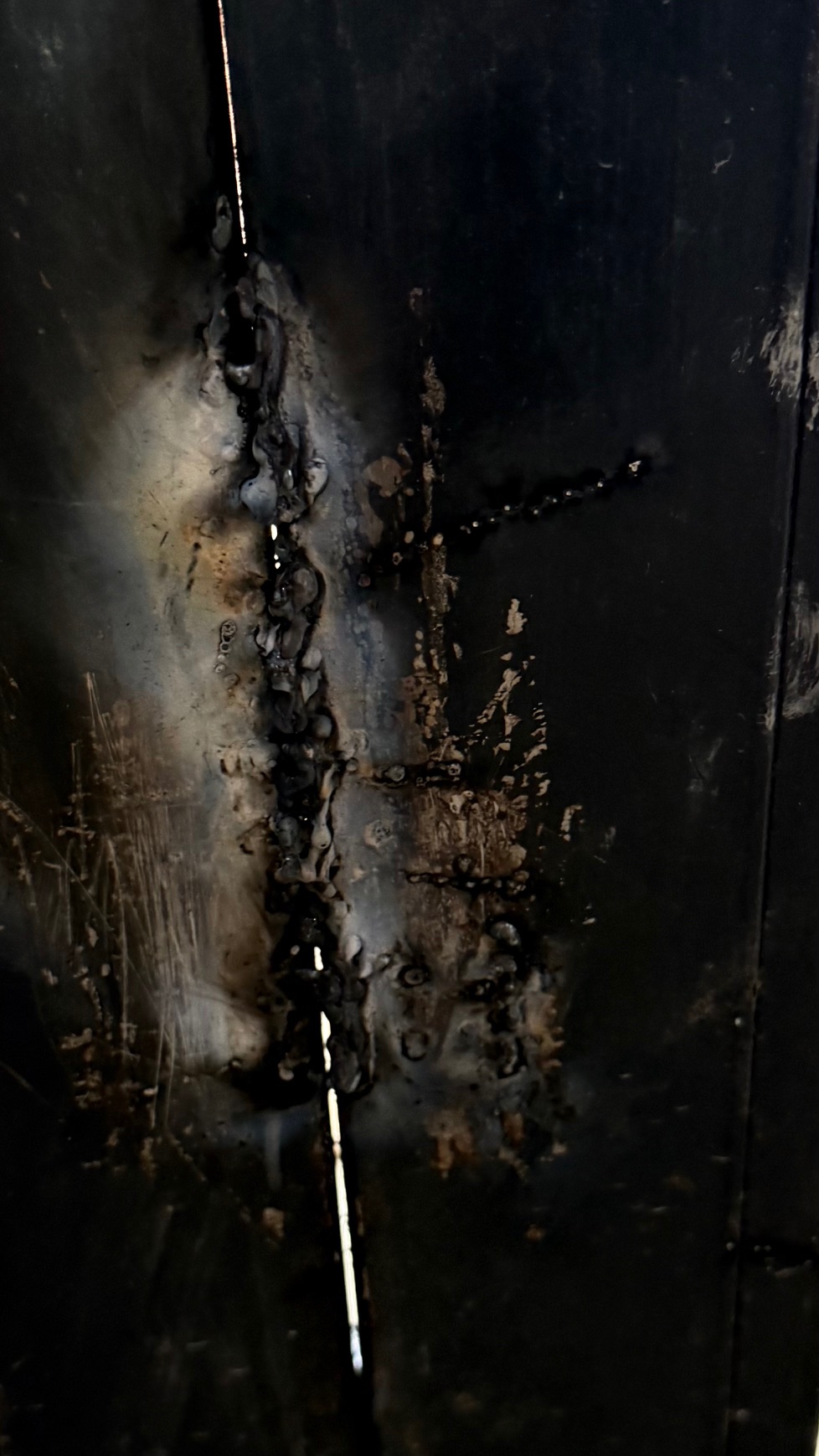
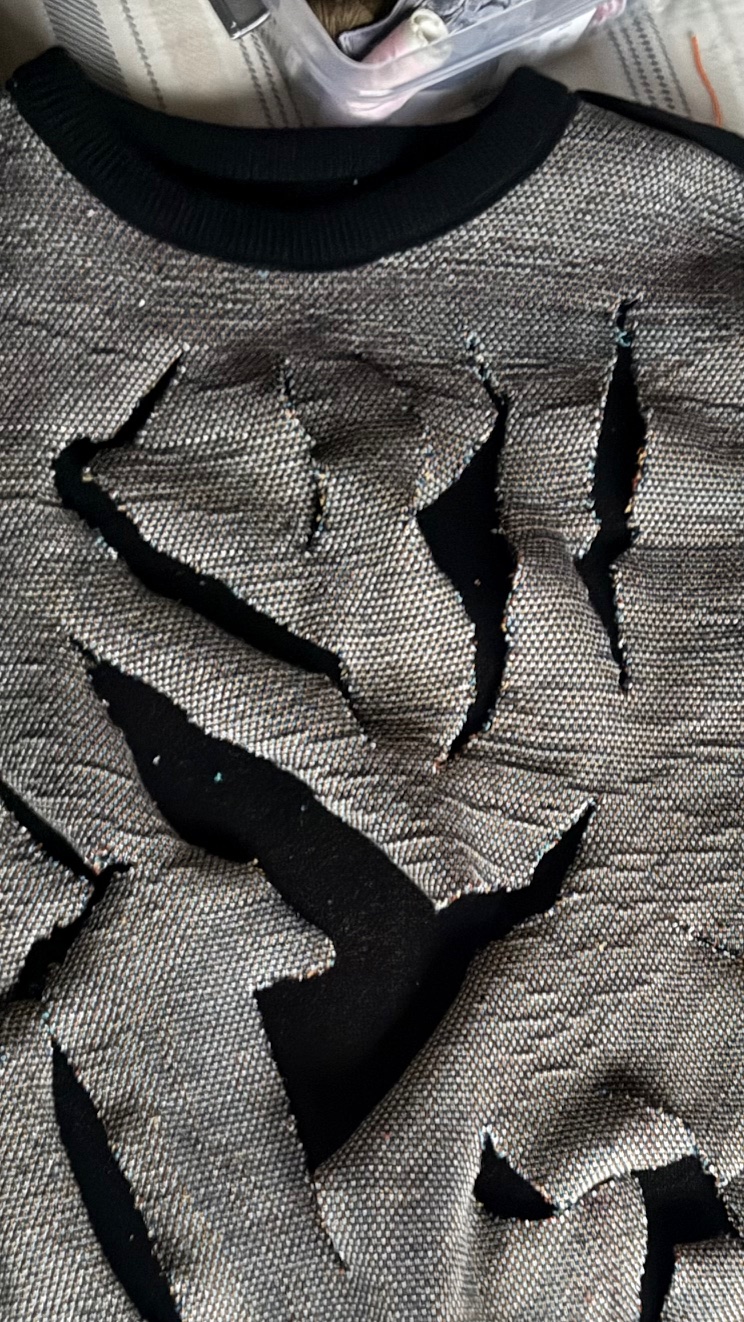
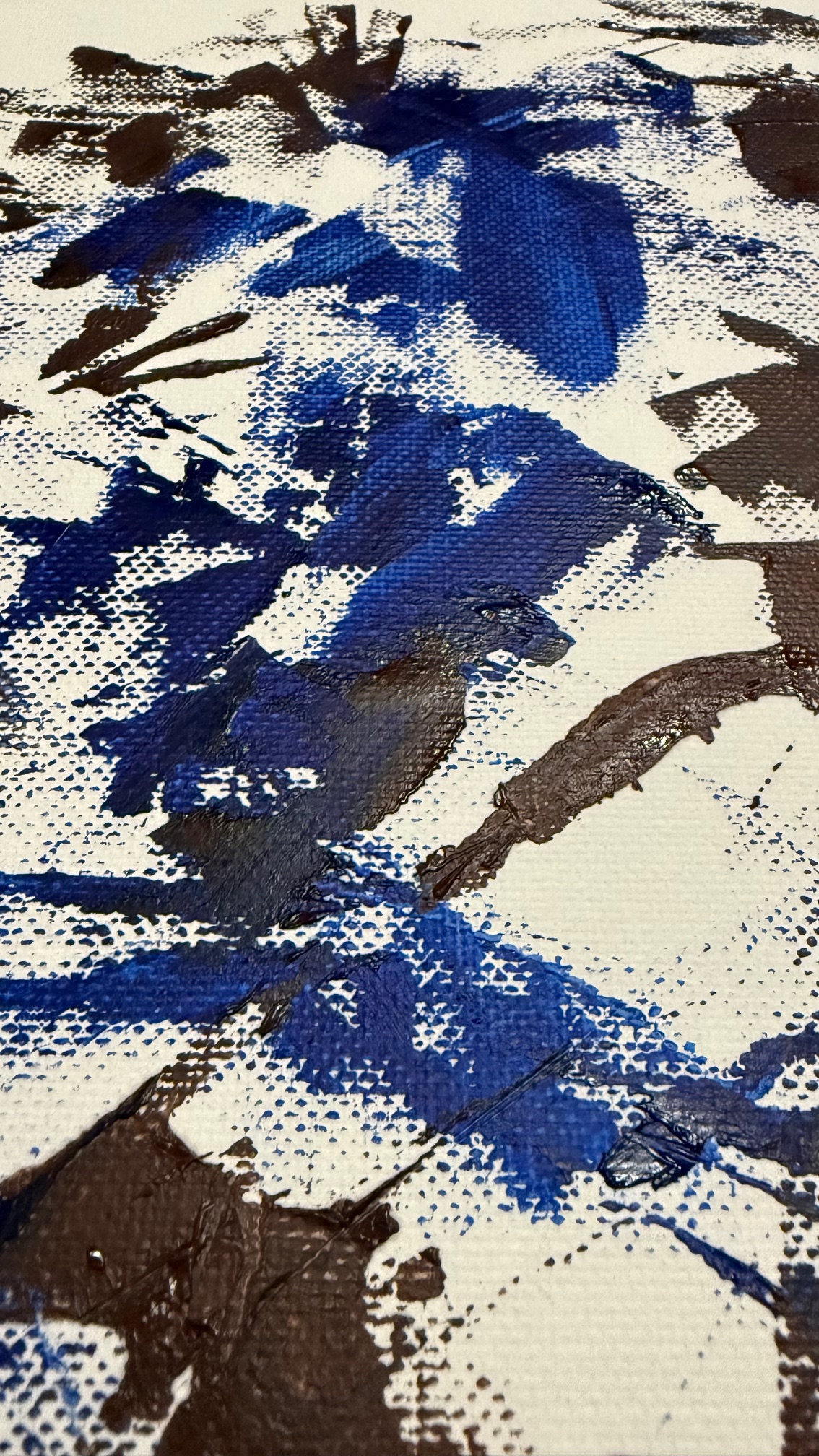
Material exploration, where metal, fabric, wood, and paint operate as primary means of expression. For an artist, these materials are not symbolic but physical—handled, tested, resisted. The work evolves through process rather than image, allowing gesture, time, and accumulation to shape each piece. Abstract painting and mixed media become records of contact, friction, and presence, privileging making as an active, embodied artistic practice over fixed outcomes
Key Characteristics of Contemporary Art
While contemporary visual art encompasses a wide range of forms and approaches, certain characteristics consistently define its core. These qualities are not rigid rules, but recurring orientations that shape how contemporary production of art is conceived. Rather than focusing on appearance alone, contemporary works emphasizes how a work comes into being and how it operates over time.
One of the most distinctive characteristics of contemporary time is its emphasis on process over outcome. The act of making—the decisions, repetitions, adjustments, and revisions—often holds as much significance as the finished work. In many contemporary practices, the artwork is understood as a trace of sustained attention rather than a resolved conclusion.
Material exploration also plays a central role. Contemporary emerging practicioners frequently engage deeply with the physical properties of materials, allowing texture, resistance, weight, and imperfection to inform the work. Materials are not neutral carriers of meaning; they actively shape both form and concept. This material-based approach reinforces the presence of the artwork as a physical entity, grounded in its making.
Another defining element in contemporary art is the use of gesture, time, and repetition. Gestural marks, accumulated layers, and repeated actions introduce temporality into the work. Meaning emerges gradually, through duration and persistence, rather than through immediate visual impact. This temporal dimension invites slower modes of viewing and engagement.
Finally, contemporary art is characterized by its openness and non-resolution. Rather than delivering clear narratives or fixed interpretations, contemporary works often remain deliberately unresolved. Ambiguity, tension, and silence are embraced as productive spaces, allowing the artwork to remain active and receptive to multiple readings. In this sense, contemporary art positions itself not as an answer, but as an ongoing conversation.
Contemporary Art vs Modern Art
The distinction between contemporary art and modern art is one of the most common points of confusion in the art world. While the terms are sometimes used interchangeably in casual conversation, they refer to different historical moments, artistic intentions, and ways of understanding art.
Modern art generally describes artistic movements developed from the late nineteenth century to the mid-twentieth century. It is often associated with formal innovation, stylistic experimentation, and the belief in progress through rupture. Movements such as Cubism, Surrealism, Abstract Expressionism, and Bauhaus sought to redefine art by breaking away from academic traditions and establishing new visual languages.
Contemporary movement, by contrast, emerges after the period commonly defined as modernism, roughly from the 1970s onward. Rather than being driven by manifestos or unified movements, contemporary ideas operate within a more plural and open framework. It does not aim to replace previous styles, but to coexist with them, reflecting a world shaped by multiple narratives, technologies, and cultural contexts.
Another key difference lies in intention. Modern art often pursued formal solutions and definitive aesthetic statements, whereas contemporary artwork tends to resist closure. Contemporary practice in the context of art values process, context, and inquiry over resolution, allowing works to remain open-ended and responsive to changing conditions.
In this sense, contemporary art is less concerned with defining what art should look like and more invested in how art functions within the present moment. It acknowledges that meaning is not fixed, and that art can operate as an evolving artistic practice rather than a finalized object.
Contemporary Art Movements and Approaches
Contemporary art is not defined by a single movement or dominant style. Instead, it encompasses a diverse range of approaches that often overlap, intersect, and coexist. These approaches reflect the plurality of contemporary artistic practice, where artists draw from multiple traditions while responding to present-day conditions. Rather than forming rigid categories, contemporary art movements function as flexible frameworks for inquiry.
Abstract contemporary art remains a central approach within this landscape. Far from being purely formal, contemporary abstraction often engages with material, gesture, and process as primary drivers of meaning. Layers, repetition, and accumulation allow abstraction to operate as a record of time and attention rather than as a decorative or purely visual language.
Conceptual contemporary art prioritizes ideas, systems, and structures over traditional notions of craftsmanship. In this approach, the artwork may exist as a set of instructions, a spatial intervention, or a contextual gesture. Material presence is not eliminated, but redefined, emphasizing intention and context as integral components of the work.
Minimalist and post-minimalist art practices continue to influence contemporary art by focusing on restraint, reduction, and clarity. These approaches often explore the relationship between object, space, and viewer, using repetition and subtle variation to heighten awareness rather than spectacle.
Politically and socially engaged contemporary art addresses themes such as identity, power, ecology, and collective memory. While some works adopt explicit narratives, others operate through subtle references and material metaphors, allowing political content to emerge indirectly through form and process.
Mixed media and interdisciplinary approaches further expand the field of contemporary art. Contemporary artists combine painting, drawing, sculpture, sound, and digital elements to challenge traditional boundaries between disciplines.
These hybrid artistic practices reflect a contemporary understanding of art as fluid and adaptable, capable of responding to technological and cultural shifts without abandoning material presence.
Together, these movements and approaches demonstrate that contemporary art is not a closed system. It is an evolving field shaped by experimentation, dialogue, and the continuous redefinition of what artistic practice can be.
Abstraction as a contemporary artistic Practice
Within the broader field of contemporary art, contemporary abstract art operates less as a stylistic category and more as a sustained artistic practice. Rather than aiming for representation or narrative clarity, contemporary abstraction focuses on how a work is built over time—through gesture, material engagement, and repeated action. Abstraction becomes a way of thinking through making.
In contemporary abstract painting, form is not predetermined. Marks emerge through physical interaction with the surface, allowing chance, resistance, and adjustment to guide the process. Layers are accumulated, altered, or partially erased, leaving visible traces of decision-making. The resulting work does not resolve into a single meaning but remains open, retaining evidence of its formation.
Material plays a decisive role in this practice of contemporary art. Paint, surface, tools, and supports are treated as active participants rather than neutral elements. Texture, density, opacity, and weight influence the direction of the work, shaping both its visual language and its conceptual depth. This material-based approach reinforces the artwork’s presence as an object shaped by time and attention.
In contemporary Art gesture is equally significant. Repeated movements, restrained marks, and subtle variations introduce rhythm and temporality into the composition. Through repetition, contemporary abstract art establishes continuity rather than climax, allowing meaning to emerge gradually. The emphasis shifts from immediate visual impact to sustained engagement.
As a practice, abstract art resists closure. It does not seek to illustrate ideas or communicate fixed messages. Instead, it creates conditions for perception—spaces where tension, silence, and ambiguity remain active. In this sense, abstraction functions as a mode of inquiry, positioning the artwork as part of an ongoing process rather than a definitive statement.
Understanding Contemporary abstract art in this way, aligns closely with current artistic concerns: attention over spectacle, process over outcome, and presence over representation. It affirms abstraction as a vital and evolving practice within contemporary art today.
Contemporary Artists and Artistic Identity
Contemporary artists operate within a landscape where artistic identity is shaped through continued practice rather than through affiliation with a single movement or style. In this context, identity emerges over time, through repetition, experimentation, and a consistent engagement with materials, processes, and questions that guide the work.
For many contemporary artists, the studio functions as a site of research. Ideas are not simply translated into form but tested through making. Decisions are revisited, gestures are refined, and materials are explored across multiple works and series. This approach allows artistic identity to remain fluid, evolving in response to both internal inquiry and external conditions.
Contemporary abstract artists, in particular, often define their practice through continuity rather than signature. Instead of relying on recognizable motifs, they develop systems of working—methods of layering, accumulation, or restraint—that establish coherence across a body of work. Identity is embedded in process rather than in surface appearance.
Artistic identity today also extends beyond the studio. Contemporary artists engage with how their work circulates, is interpreted, and is collected. The relationship between artist, artwork, and viewer is no longer linear but interconnected. This expanded framework encourages dialogue and allows artworks to acquire new meanings as they move across contexts.
Ultimately, contemporary artistic identity is not fixed. It is constructed through time, attention, and persistence. Rather than presenting a finished position, the contemporary artists often position their work as part of an ongoing exploration—one that remains open to revision, growth, and recontextualization.
Contemporary Art for Sale: How Works Circulate Today
Contemporary art for sale within a diverse and evolving ecosystem. Today, artworks circulate through multiple channels, including galleries, studios, platforms of art online, and direct exchanges between contemporary artists and collectors. This expanded landscape has reshaped how contemporary art is accessed, understood, and collected, offering greater transparency and proximity to artistic contemporary practice.
Traditionally, galleries have played a central role in presenting and mediating contemporary art. They provide context, curation, and visibility, situating artworks within broader conversations. At the same time, many contemporary artists now engage directly with collectors, allowing for more personal and informed exchanges. This direct relationship often emphasizes process, intention, and continuity rather than transactional value alone.
Online platforms of art have further transformed how contemporary art is encountered and acquired. The ability to view, inquire about, and purchase works online has expanded access to contemporary art across geographical boundaries. However, meaningful engagement remains essential. Collectors increasingly seek detailed information about materials, dimensions, process, and the conditions under which a work was made before making a decision.
When consider purchasing contemporary art, originality and authenticity remain key. Original contemporary art carries the trace of their making and the specificity of the artist’s practice. Unlike mass-produced objects, contemporary artworks retain value through their singularity, the integrity of their process, and their place within a coherent body of work.
As contemporary art continues to circulate in varied contexts, to acquire contemporary art becomes more than a commercial exchange. It represents an alignment with an artistic practice and a commitment to its ongoing development. In this sense, buying contemporary art is not merely about ownership, but about participation in a living artistic process.
Collecting Contemporary Art
Collecting contemporary art is an evolving practice shaped by curiosity, engagement, and an openness to ongoing artistic processes. Unlike traditional notions of collecting that emphasize historical validation, contemporary art collecting often begins with personal resonance and sustained interest in an artist’s practice rather than with established market hierarchies.
For many collectors, contemporary art offers the opportunity to engage with living contemporary artists and to follow the development of a body of work over time. This proximity allows collectors to gain insight into process, material decisions, and conceptual frameworks, fostering a deeper understanding of how artworks come into being. Collecting artwork becomes a form of dialogue rather than a static acquisition.
Contemporary art collectors frequently value originality and coherence within a contemporary artistic practice. Rather than focusing solely on individual works, they consider how each piece relates to a broader system of ideas and gestures. This approach recognizes that the significance of a contemporary artwork often increases through its connection to a sustained artistic inquiry.
While contemporary art can hold long-term cultural and economic value, collecting is not solely driven by investment considerations. Many collectors are drawn to contemporary art because it reflects current concerns, materials, and ways of thinking. The value of a work lies not only in its potential appreciation, but in its ability to remain relevant, resonant, and active within changing contexts.
Ultimately, collecting contemporary art is an act of commitment. It involves supporting the practice of a contemporary artist, engaging with uncertainty, and allowing meaning to evolve over time. In this sense, collecting becomes part of the artwork’s extended life, contributing to its ongoing presence and interpretation.
Contemporary Art as an Ongoing Practice
Contemporary art is best understood not as a finished category, but as an ongoing practice—one that unfolds through time, repetition, and sustained engagement. Rather than producing definitive statements, contemporary art operates through continuity, allowing meaning to emerge gradually as works accumulate and relate to one another.
In this framework, the artwork is not isolated from its conditions of making. Gesture, material, and duration remain present within the work, carrying traces of attention and decision-making. Contemporary art acknowledges that creation is not linear; it involves pauses, returns, and subtle shifts that resist immediate resolution. This openness in contemporary art is not a lack of clarity, but a deliberate space for perception and reflection.
As a practice, contemporary art emphasizes presence over spectacle. It invites slower modes of engagement, asking viewers and collectors of contemporary art to encounter works not as objects to be consumed, but as processes to be experienced over time. The value of contemporary art lies in its capacity to remain active—capable of generating new interpretations as contexts change.
By embracing uncertainty, materiality, and persistence, contemporary art affirms its relevance within the present moment. It positions itself not as a conclusion, but as a continuous exploration—one shaped by attention, restraint, and the physical act of making. In doing so, contemporary art remains open, responsive, and alive.